In my 18 years as a licensed relationship counselor, I’ve sat across from hundreds of people navigating the raw, often overwhelming pain of a breakup. I’ve held space for tears, rage, confusion, and eventually – always eventually – the first fragile signs of healing. If you’re reading this, you’re likely in that painful place right now. And I want you to know something I tell every client: learning how to get over a breakup is not just possible – it’s a skill you can develop.
The end of a relationship is consistently ranked among life’s most stressful experiences, right alongside job loss and the death of a loved one. Brain imaging studies show that the pain of rejection activates the same neural pathways as physical pain. So when your heart feels literally broken, there’s biological truth to that perception. Understanding how to get over a breakup requires acknowledging that this is real, significant pain – not something to minimize or rush through.
I developed these 15 steps based on therapeutic best practices, attachment theory, cognitive behavioral techniques, and the wisdom I’ve gathered from watching hundreds of people successfully navigate this journey. Some steps will feel natural; others will challenge you. All of them work – not because I say so, but because I’ve witnessed their power in countless lives.
Take what you need. Go at your own pace. And remember: the person you’ll become on the other side of this pain will be stronger, wiser, and more capable of love than you are today.
Table of Contents
Understanding Why Breakups Hurt So Much
Before diving into how to get over a breakup, it helps to understand why the pain feels so intense. In my practice, I’ve found that clients heal faster when they understand the science behind their suffering.
When we form romantic attachments, our brains become neurochemically bonded to our partners. Dopamine, oxytocin, and serotonin create a kind of addiction to that person’s presence. When the relationship ends, we essentially go through withdrawal. The anxiety, obsessive thoughts, and physical symptoms you’re experiencing aren’t weakness – they’re biology.
Additionally, relationships become woven into our identity and routines. Your partner was likely part of your daily rhythms, your future plans, your sense of self. A breakup disrupts all of this simultaneously, which is why it can feel so destabilizing.
Understanding this has helped many of my clients extend compassion to themselves during the healing process. You’re not broken. You’re human. Now let’s talk about moving forward.
The 15 Expert-Backed Steps to Getting Over a Breakup
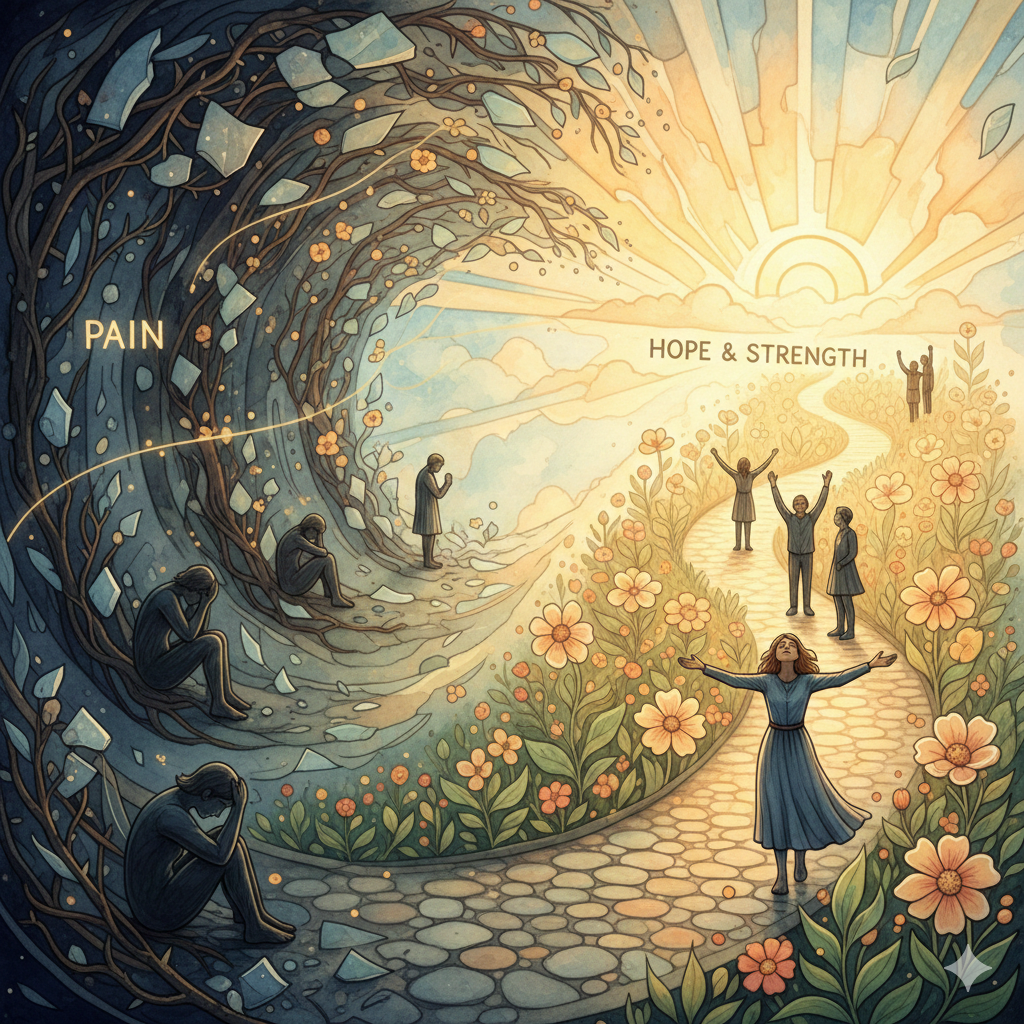
Step 1: Allow Yourself to Grieve Fully
The first and most crucial step in how to get over a breakup is giving yourself full permission to grieve. In our culture, there’s often pressure to “get over it quickly” or “stay strong.” I’ve seen this pressure extend healing times by months or even years.
Grief is not linear. You’ll have good days and terrible days. Some moments you’ll feel fine; minutes later, you might be sobbing. This is normal. Elisabeth Kübler-Ross’s stages of grief – denial, anger, bargaining, depression, acceptance – aren’t experienced in neat order. They’re more like waves that wash over you repeatedly.
💡 Counselor’s Insight
I often recommend setting aside “grief time” – perhaps 30 minutes in the evening where you allow yourself to fully feel your emotions without judgment. Outside that time, gently redirect yourself to other activities. This prevents both suppression and being overwhelmed.
Step 2: Implement the No-Contact Rule
This is the step my clients resist most – and the one that makes the biggest difference. Knowing how to get over a breakup often comes down to creating the space necessary for healing.
No-contact means:
- No calls, texts, or messages
- No checking their social media
- No asking mutual friends about them
- No “accidental” run-ins at places they frequent
- No keeping tabs on their life in any way
Every time you check their Instagram or drive past their apartment, you’re reopening the wound. Your brain cannot begin healing while you’re still flooding it with reminders. I recommend a minimum of 60 days of strict no-contact, though some people need longer.
💡 Counselor’s Insight
Unfollow, mute, or temporarily block your ex on all platforms. This isn’t dramatic or petty – it’s protective. Many clients tell me this single action accelerated their healing more than anything else.
Step 3: Remove Physical Reminders (When Ready)
You don’t need to burn everything on day one, but eventually, healing requires reducing environmental triggers. Photos, gifts, clothes they left behind – these objects keep your brain in the past.
I suggest putting these items in a box and storing it somewhere out of sight. You don’t have to throw anything away permanently right now. But having constant visual reminders makes getting over a breakup significantly harder.
Step 4: Lean Into Your Support System
Isolation is one of the biggest mistakes I see during breakup recovery. When we’re hurting, we often want to withdraw. But humans are social creatures, and healing happens faster in connection.
Reach out to friends and family. Let them know you’re struggling. Accept invitations even when you don’t feel like it. If your support system is limited, this might be the time to join a support group or seek professional counseling.

💡 Counselor’s Insight
Be mindful of “rumination partners” – friends who keep you stuck in analyzing what happened rather than moving forward. The best support comes from people who validate your pain while also encouraging your growth.
Step 5: Prioritize Physical Self-Care
Your body and mind are deeply connected. I’ve seen countless clients underestimate how physical care impacts emotional healing. During a breakup, we often abandon the basics – sleep suffers, eating becomes irregular, exercise stops.
Key physical self-care priorities:
- Sleep: Aim for 7-9 hours. Grief is exhausting; your body needs rest to process emotions.
- Nutrition: Eat regular, balanced meals. Emotional pain can reduce appetite, but your brain needs fuel to heal.
- Exercise: Even 20 minutes of walking releases endorphins that naturally combat depression.
- Limit alcohol: It’s tempting to numb the pain, but alcohol is a depressant that worsens emotional instability.
- Hydration: Crying depletes fluids. Drink plenty of water.
Step 6: Journal Your Thoughts and Feelings
Journaling is one of the most research-backed tools for how to get over a breakup. Writing creates distance between you and your thoughts, helping you process emotions without being overwhelmed by them.
Write without censoring yourself. Pour out the anger, the sadness, the confusion. Write letters you’ll never send. Document your progress. Many of my clients look back at their early entries months later and feel profound gratitude for how far they’ve come.
💡 Counselor’s Insight
Try the “unsent letter” technique: Write everything you wish you could say to your ex – the good, the bad, everything you never expressed. Then destroy it. This creates emotional release without the complications of actual contact.
Step 7: Resist the Urge to Seek Closure
This might be my most controversial piece of advice, but after 18 years, I stand firmly behind it: the closure you’re seeking probably doesn’t exist.
Many people delay getting over a breakup because they believe one more conversation will provide answers that bring peace. In reality, closure rarely comes from the other person. It comes from within you, through processing, acceptance, and time.
Your ex likely doesn’t have a satisfying explanation. Or they might give you one that only creates more questions. The closure you need is not out there – it’s something you’ll build inside yourself through this healing process.
Step 8: Challenge Negative Thought Patterns
Breakups often trigger cognitive distortions – patterns of thinking that feel true but aren’t accurate. Learning to identify and challenge these is crucial for understanding how to get over a breakup.
Common post-breakup cognitive distortions:
- Black-and-white thinking: “I’ll never find love again” or “This was all my fault”
- Fortune-telling: “I know I’m going to be alone forever”
- Mind-reading: “They never really loved me”
- Catastrophizing: “My life is completely ruined”
- Idealization: Remembering only the good parts and forgetting the problems
When you notice these thoughts, ask yourself: “Is this thought based on fact or emotion? What would I tell a friend who thought this? What’s a more balanced perspective?”
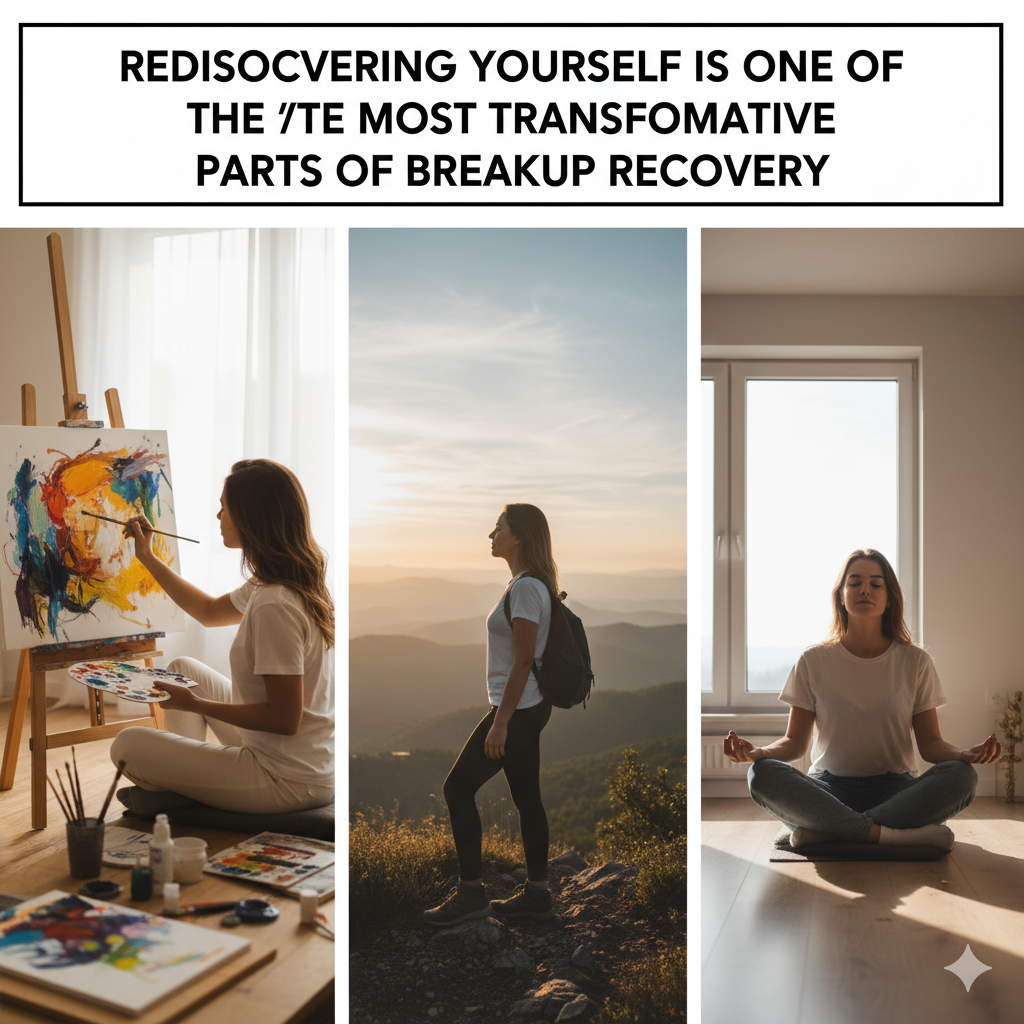
Step 9: Rediscover Your Individual Identity
Relationships, especially long ones, often lead us to merge our identity with our partner’s. You might have adopted their interests, friends, or routines. A crucial step in how to get over a breakup is reclaiming your individual self.
Ask yourself:
- What hobbies did I abandon during the relationship?
- What friendships did I neglect?
- What parts of myself did I suppress to make the relationship work?
- What have I always wanted to try but never did?
This is an opportunity for reinvention. Some of my most transformed clients look back at their breakup as the catalyst for becoming their truest selves.
Step 10: Establish New Routines and Rituals
Your ex was likely woven into your daily routines. The morning coffee you shared, the evening shows you watched together, the weekend activities. These routines now feel painfully empty.
Creating new patterns is essential. Not to forget, but to build a life that doesn’t depend on your ex’s presence. New routines might include:
- A new morning workout or meditation practice
- Weekly dinner with friends
- A hobby class every Saturday
- A new coffee shop to make your own
Step 11: Practice Self-Compassion (Not Self-Criticism)
Many people beat themselves up during breakups. “I should have seen the signs.” “I should be over this by now.” “I shouldn’t have said that.” This self-criticism only deepens the pain and slows healing.
Self-compassion means treating yourself with the same kindness you’d offer a dear friend in this situation. What would you say to them? You’d probably say something like: “This is really hard. It makes sense that you’re struggling. You’re going to be okay.”
Learning how to get over a breakup requires extending that same compassion to yourself.
💡 Counselor’s Insight
Try the “self-compassion break”: When you notice you’re being self-critical, pause and say: “This is a moment of suffering. Suffering is part of being human. May I give myself the compassion I need.” It sounds simple, but it’s genuinely transformative.
Step 12: Extract the Lessons (Without Blame)
Every relationship, even painful ones, teaches us something valuable. Once the acute pain has lessened (usually after a few months), it’s valuable to reflect on what you’ve learned.
This isn’t about blame – it’s about growth. Consider:
- What patterns do I want to avoid in future relationships?
- What needs of mine weren’t being met, and how can I prioritize them?
- What did I learn about communication, boundaries, or compatibility?
- How have I grown as a person during and after this relationship?
Step 13: Consider Professional Support
There’s no shame in seeking professional help. In fact, I’d argue that major life transitions are precisely when therapy is most valuable. A skilled therapist can provide tools you don’t have access to on your own and offer an objective perspective you can’t get from friends.
Consider therapy especially if:
- You’re experiencing symptoms of depression or anxiety
- You have thoughts of self-harm
- The breakup has surfaced unresolved trauma
- You’re struggling to function at work or in daily life
- You find yourself in repetitive relationship patterns
Step 14: Be Patient with the Timeline
One of the most common questions I receive is: “How long will this take?” The honest answer: longer than you want, but not forever.
Research suggests it takes an average of 11 weeks to start feeling significantly better after a breakup, but this varies enormously based on relationship length, attachment style, circumstances of the breakup, and your support system.
Healing is not linear. Progress isn’t always visible day-to-day. But when you look back after six months or a year, you’ll see how far you’ve come. Trust the process.
Step 15: Open Yourself to the Future (When Ready)
Eventually – and there’s no set timeline for this – you’ll be ready to think about the future again. Not just about dating, but about the person you’re becoming and the life you want to create.
This doesn’t mean rushing into a new relationship. “Rebound relationships” often delay actual healing because they’re attempts to fill a void rather than healthy new connections. But it does mean allowing yourself to believe that love is possible again – because it is.
After 18 years of this work, I can tell you with certainty: almost everyone who does this healing work successfully finds love again. And not just any love – love that’s healthier, more mature, and more aligned with who they’ve become.
Common Mistakes That Delay Breakup Recovery
In my practice, I’ve identified several common behaviors that slow down healing. Avoiding these will help you understand how to get over a breakup more effectively:
- Social media stalking: Every peek at their profile resets your healing clock
- Drunk texting: You’ll regret it in the morning and feel worse
- Rebound relationships: Using someone else to fill the void isn’t fair to either of you
- Excessive rumination: Analyzing what went wrong over and over keeps you stuck
- Isolation: Withdrawing from the world prolongs suffering
- Denial: Pretending you’re fine when you’re not delays necessary grief
- Revenge or vindictiveness: Acting out of anger creates more problems and shame
When to Worry: Signs You Need Additional Support
While grief is normal after a breakup, certain symptoms warrant professional intervention. Please seek help if you experience:
- Thoughts of suicide or self-harm
- Inability to perform basic functions (eating, sleeping, working)
- Panic attacks or severe anxiety
- Substance abuse to cope with pain
- Symptoms lasting longer than expected without improvement
- Complete hopelessness about the future
These symptoms may indicate complicated grief or underlying mental health conditions that require professional treatment. There’s no shame in needing help – reaching out is a sign of strength.
Frequently Asked Questions About Getting Over a Breakup
How long does it take to get over a breakup?
There’s no universal timeline for how to get over a breakup. Research suggests most people feel significantly better after 3-6 months, but factors like relationship length, the circumstances of the breakup, your attachment style, and support system all influence recovery time. Generally, expect the most intense pain to last 2-4 weeks, with gradual improvement over the following months.
Is it normal to still love someone who hurt you?
Absolutely. Love doesn’t disappear instantly, even when a relationship was unhealthy or ended badly. Your brain formed genuine attachments that take time to rewire. You can simultaneously acknowledge that the relationship needed to end and still feel love for this person. These feelings will fade as you heal.
Should I stay friends with my ex?
I generally recommend at least 3-6 months of no contact before considering friendship. True friendship requires that romantic feelings have genuinely subsided on both sides. Many people who try to stay friends immediately end up in complicated, painful dynamics that slow healing. Friendship may be possible eventually, but not right away.
Why does my ex seem fine while I’m struggling?
Comparison is a dangerous game. People process breakups differently and on different timelines. Some people appear fine but are struggling privately. Others distract themselves with dating or activity. Their healing journey has nothing to do with yours – focus on your own recovery.
How do I stop thinking about my ex constantly?
Intrusive thoughts are normal in early breakup recovery. The key is not to fight them directly – that often makes them stronger. Instead, acknowledge the thought (“I’m thinking about my ex again”), don’t engage with it, and redirect your attention to something present-focused. Over time, these thoughts naturally decrease in frequency and intensity.
Will the pain ever completely go away?
The acute pain will absolutely fade. Most people reach a point where they can think about their ex without distress. However, you may occasionally feel twinges of sadness, especially around significant dates or when encountering reminders. This is normal and doesn’t mean you haven’t healed – it just means the relationship mattered.
How do I know when I’m ready to date again?
You’re ready when: you’ve processed the grief rather than just suppressed it, you’re not dating to fill a void or get revenge, you’ve learned from the past relationship, and you feel genuinely curious about new connections rather than desperate for them. If you’re still frequently thinking about your ex or comparing everyone to them, you likely need more time.
What if we have to see each other (work, kids, mutual friends)?
When no-contact isn’t fully possible, practice “limited contact” – interaction only when necessary, kept brief and focused on practical matters. Avoid personal conversations, reminiscing, or emotional discussions. Set clear boundaries with yourself about what’s appropriate and stick to them. In cases involving children, keep communication focused entirely on co-parenting logistics.
Final Thoughts: You Will Get Through This
After 18 years and hundreds of clients, I can tell you this with absolute certainty: you will get through this. I’ve watched people recover from the most devastating heartbreaks imaginable and go on to build beautiful, fulfilling lives.
Learning how to get over a breakup is not about forgetting what you shared or pretending it didn’t matter. It’s about integrating this experience into your story, extracting its lessons, and allowing it to shape you into a stronger, wiser person.
The pain you’re feeling right now is temporary, even though it feels permanent. The love you shared was real, even though it ended. And the future – one you can’t quite imagine yet – holds possibilities you can’t currently see.
Be patient with yourself. Be compassionate with your struggle. And trust that, one step at a time, you’re moving toward healing.
If you’re struggling and need additional support, consider reaching out to a licensed therapist. Resources like Psychology Today’s Therapist Directory can help you find a qualified professional in your area. You don’t have to do this alone.
With hope for your healing journey,
A therapist who believes in your resilience
About the Author