I still remember my first flight like it was yesterday. My palms were sweaty, my heart was racing, and I had no idea what to expect when I walked into that massive airport terminal. If you’re reading this because you’re about to embark on your first time flying adventure, take a deep breath – you’ve come to the right place.
Whether you’re a complete aviation newbie or someone dealing with flight anxiety, these first time flying tips will transform your experience from terrifying to manageable, and maybe even enjoyable. I’ve compiled everything I wish someone had told me before my maiden voyage through the skies, along with practical airport tips for beginners that will make your journey smooth from start to finish.
In this comprehensive guide, you’ll learn how to fly with confidence, navigate airport chaos like a pro, and discover proven nervous flyer tips to keep your anxiety in check. Let’s take this journey together!
Table of Contents
My First Flying Experience: A Story of Transformation
Before I dive into the practical first time flying tips, let me share my personal story. I was 24 years old and had never set foot on an airplane. Growing up, my family always drove everywhere, and the thought of being suspended 35,000 feet in the air filled me with absolute dread.
When I finally had to fly for a job interview across the country, I spent weeks researching everything – from how to fly without panicking to what happens during turbulence. The unknown was my biggest enemy.
That first flight changed my perspective entirely. Yes, there were moments of nervousness – especially during takeoff – but the reality was far less scary than my imagination had created. The flight attendants were incredibly helpful when I admitted it was my first time flying, and a kind elderly woman next to me shared her own nervous flyer tips that helped immensely.
Now, dozens of flights later, I genuinely look forward to flying. And I want to help you get there too. These first time flying tips come from both research and real experience, designed to address every concern you might have.
Before You Leave Home: Essential Pre-Flight Preparation
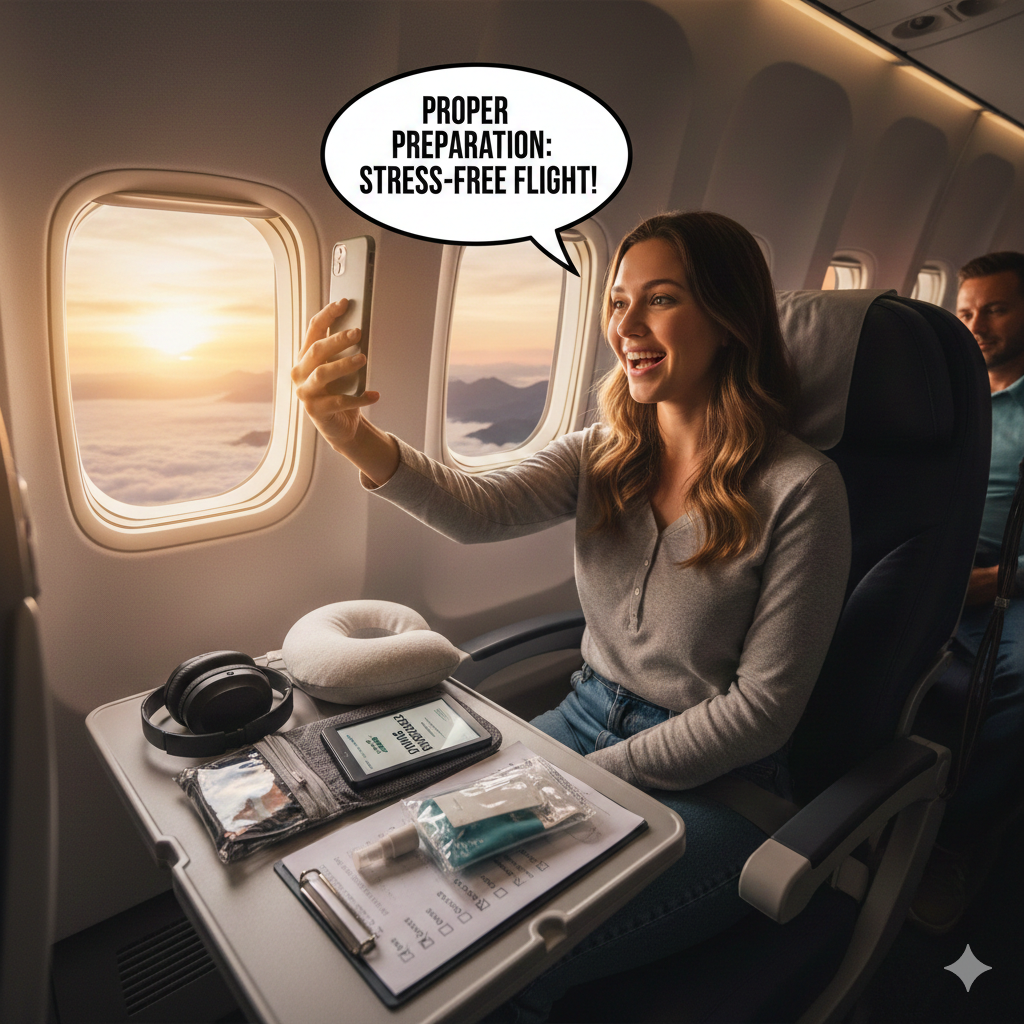
Proper preparation is the foundation of a stress-free flying experience. These airport tips for beginners start long before you arrive at the terminal.
Booking Your Flight Wisely
If you’re flying for the first time, consider these booking strategies:
- Choose morning flights – They’re statistically less likely to be delayed and turbulence is typically calmer
- Select an aisle seat – You’ll have easy access to the bathroom and feel less confined
- Opt for direct flights when possible – Fewer takeoffs and landings mean less anxiety triggers
- Book with a major airline – They typically offer better customer service for nervous flyers
- Avoid red-eye flights – Being exhausted can heighten anxiety
What to Pack in Your Carry-On
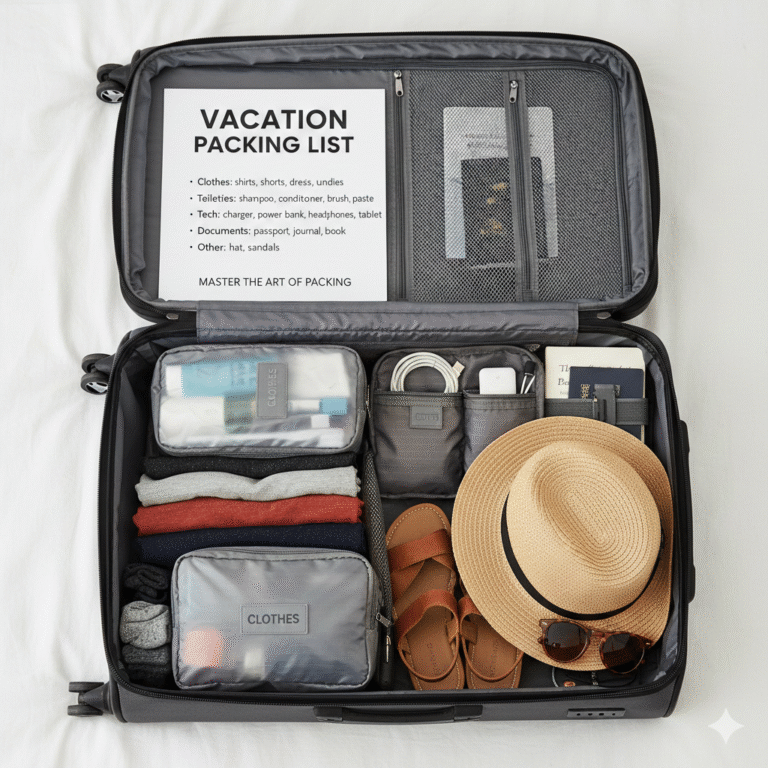
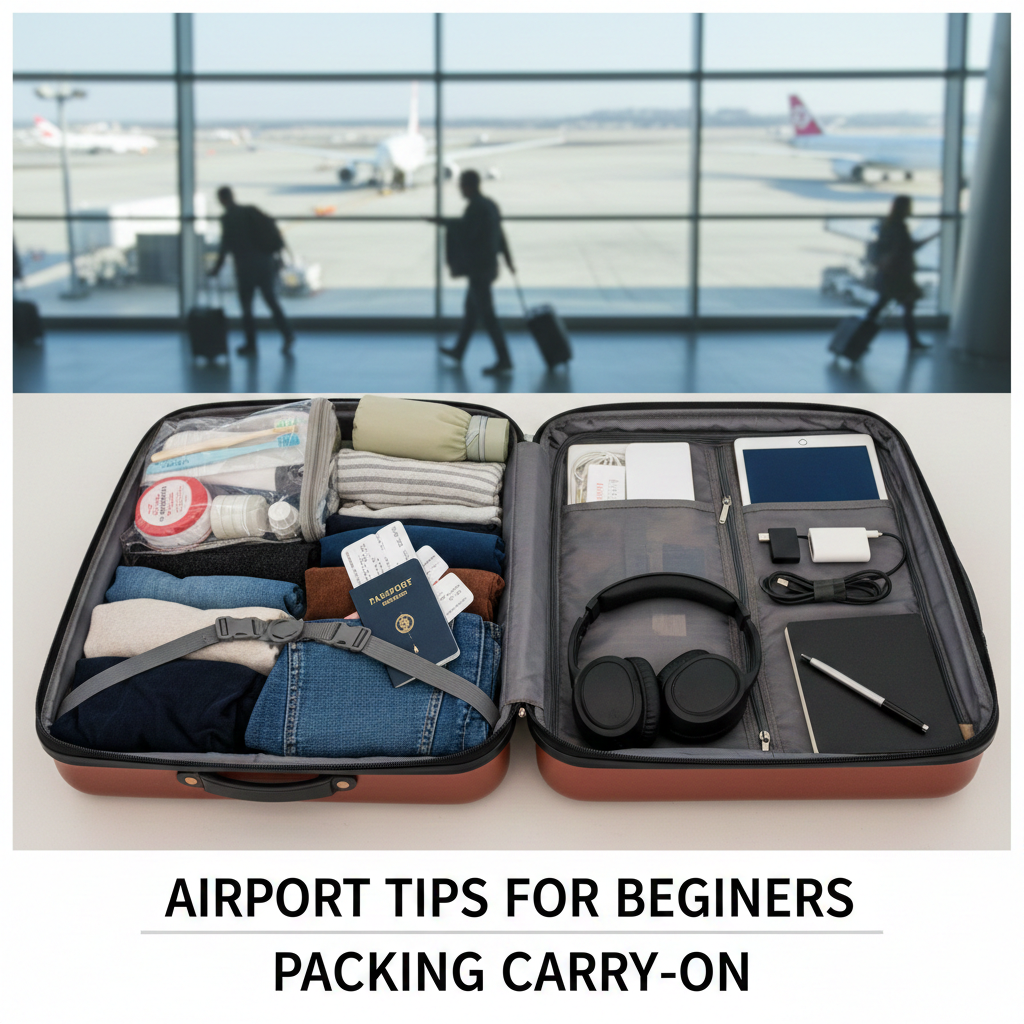
Your carry-on bag should be your comfort kit. Essential first time flying tips for packing include:
- Entertainment – Books, downloaded movies, music, or podcasts
- Snacks – Your favorite comfort foods (sealed, TSA-compliant)
- Medications – Any prescriptions plus pain relievers and antacids
- Comfort items – Neck pillow, blanket, eye mask
- Chewing gum – Helps with ear pressure during takeoff and landing
- Noise-cancelling headphones – A game-changer for reducing engine noise anxiety
- Empty water bottle – Fill it after security to stay hydrated
Understanding TSA Requirements
One of the most important airport tips for beginners involves understanding security procedures. The Transportation Security Administration (TSA) has specific rules that can seem overwhelming, but they’re straightforward once you know them:
- Liquids must be 3.4 ounces (100ml) or less – Pack them in a clear, quart-sized bag
- Remove laptops and large electronics – They need separate screening
- Wear easy-to-remove shoes – You’ll need to take them off at security
- Avoid wearing excessive jewelry – It can trigger metal detectors
- Keep your ID and boarding pass accessible – You’ll need them multiple times
For detailed TSA guidelines, check out the official TSA What Can I Bring page – it’s an invaluable resource for flying for the first time.
Navigating the Airport: Step-by-Step Guide
Walking into a busy airport for your first time flying can feel overwhelming. Here’s a detailed breakdown of exactly what to expect and how to fly through the airport process smoothly.
Step 1: Arrive Early
This is perhaps the most crucial of all first time flying tips. For domestic flights, arrive at least 2 hours early. For international flights, 3 hours is recommended. This buffer time allows for:
- Unexpected traffic or parking delays
- Long security lines
- Finding your gate in an unfamiliar airport
- Time to relax before boarding
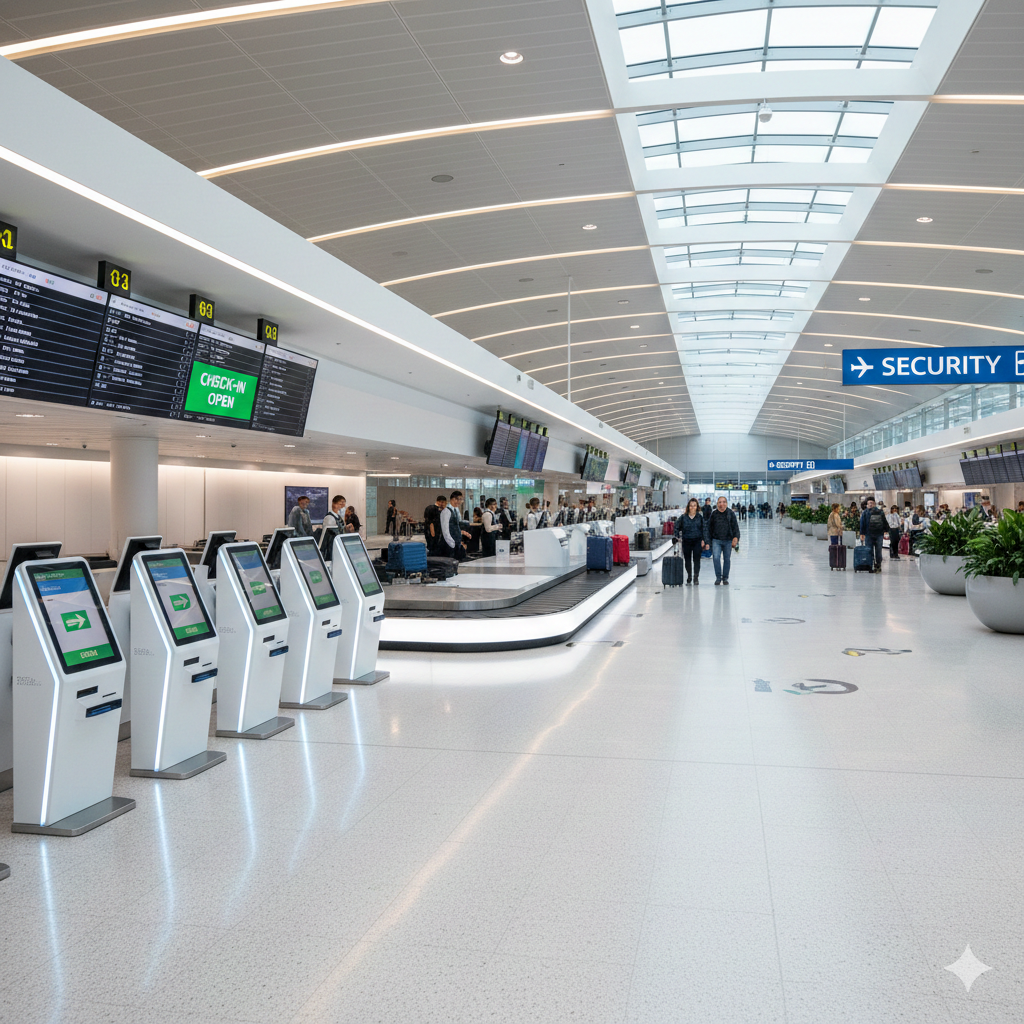
Step 2: Check-In and Bag Drop
Most airlines allow online check-in 24 hours before departure – I highly recommend doing this. You can often select your seat and download your boarding pass to your phone. If you have bags to check, head to your airline’s counter or use the self-service kiosks.
Step 3: Security Screening
Security might seem intimidating, but these airport tips for beginners will help:
- Have your boarding pass and ID ready before you reach the TSA officer
- As you approach the X-ray belt, remove your shoes, belt, and jacket
- Place liquids bag and electronics in separate bins
- Walk through the body scanner with your hands raised
- Collect your belongings and re-dress in the designated area
Pro tip: TSA agents are generally helpful if you explain you’re flying for the first time. Don’t be embarrassed to ask questions!
Step 4: Finding Your Gate
Once through security, follow signs to your gate. Boarding passes typically show the gate number (like “B12” or “Gate 45”). Airport terminals are organized alphabetically or numerically, and there are usually information boards showing gate locations.
My advice? Find your gate first, then explore shops or grab food. This way, you know exactly where to go when boarding begins.
Step 5: Boarding the Plane
Boarding typically begins 30-45 minutes before departure. Airlines board in groups or zones – your boarding pass will indicate which group you’re in. When your group is called:
- Have your boarding pass ready (paper or digital)
- Walk down the jet bridge to the aircraft
- Find your seat (numbers are above each row)
- Store your carry-on in the overhead bin or under the seat in front of you
- Settle in and buckle your seatbelt
Nervous Flyer Tips: Managing Flight Anxiety
Now let’s address the elephant in the room – anxiety. These nervous flyer tips have helped me and countless others overcome the fear of flying.
Understand the Science of Flying
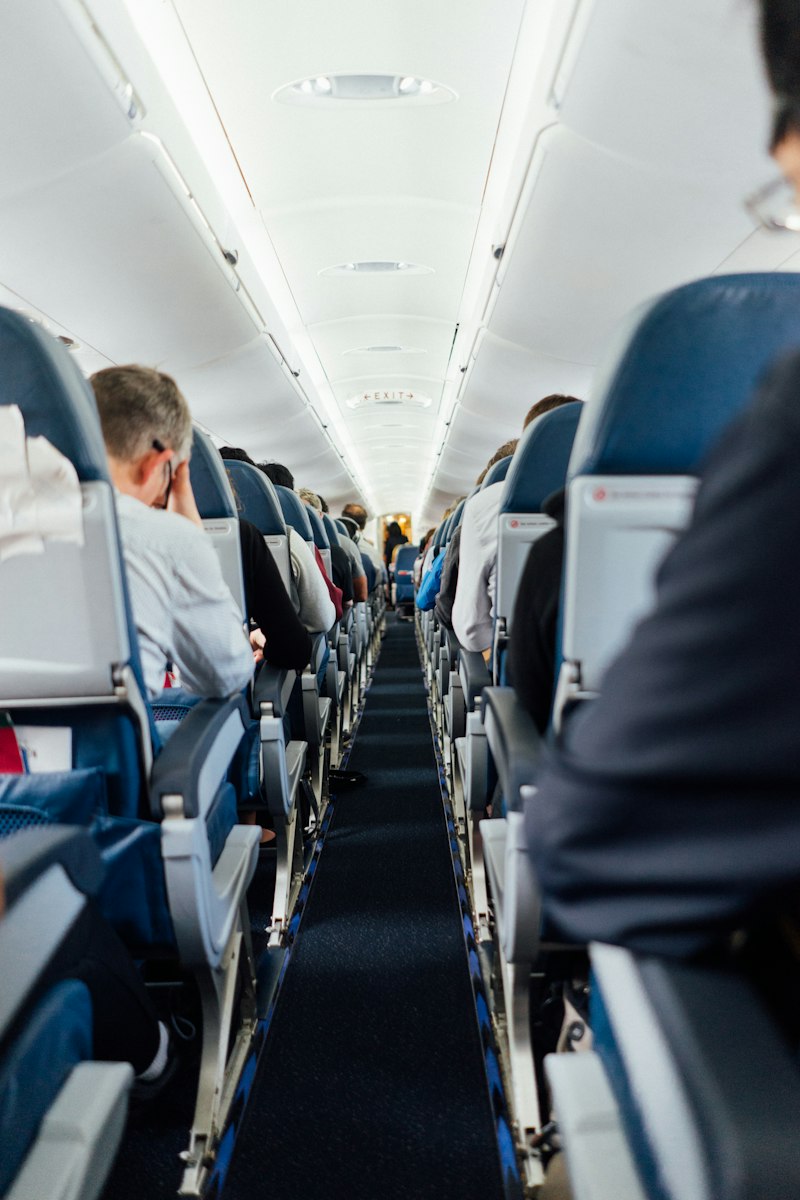
Fear often comes from the unknown. Understanding how to fly from a technical perspective can be incredibly reassuring:
- Turbulence is normal – It’s like bumps in a road. Planes are designed to handle extreme turbulence far beyond what you’ll experience
- Planes can fly with one engine – All commercial aircraft can safely land using just one engine
- Flying is statistically the safest form of travel – You’re far more at risk driving to the airport
- Pilots train extensively – They undergo rigorous training and regular certification
- Aircraft undergo constant maintenance – Every plane is thoroughly inspected before each flight
Breathing Techniques for Takeoff and Turbulence
When anxiety strikes, your breathing becomes shallow. Try this technique, which is one of the most effective nervous flyer tips:
- Inhale slowly through your nose for 4 seconds
- Hold your breath for 4 seconds
- Exhale slowly through your mouth for 6 seconds
- Repeat until you feel calmer
I use this technique during every takeoff, even now. It works because it activates your parasympathetic nervous system, countering the fight-or-flight response.
Distraction Strategies
Keeping your mind occupied is one of the best first time flying tips for anxiety management:
- Download movies or shows – Queue up several hours of entertainment before your flight
- Create a calming playlist – Music can significantly reduce anxiety
- Bring puzzle books or games – Sudoku, crosswords, or mobile games work great
- Read an engaging book – Something that really captures your attention
- Listen to podcasts – Interesting conversations can make hours fly by (pun intended)
Talk to the Flight Crew
Don’t be shy about telling flight attendants you’re flying for the first time or feeling nervous. They’re trained to help anxious passengers and often go above and beyond to make you comfortable. I’ve received personal check-ins, extra snacks, and even a cockpit tour (pre-9/11, admittedly) just by mentioning my nervousness.
What to Expect During the Flight
Knowing what’s coming helps reduce anxiety. Here’s a detailed breakdown for anyone flying for the first time:
Takeoff
This is often the most anxiety-inducing part. Here’s what happens:
- The plane taxies to the runway (this can take 5-30 minutes depending on the airport)
- The engines rev up – you’ll hear and feel the power increase dramatically
- The plane accelerates quickly down the runway
- You’ll feel a lifting sensation as the nose tilts up and the wheels leave the ground
- There’s typically a clunking sound as the landing gear retracts – this is normal
- The plane continues climbing for 10-20 minutes until reaching cruising altitude
During my first time flying, I gripped my armrests so hard my knuckles turned white. Now I know that every sensation – the g-forces, the banking turns, the engine sounds – is completely normal.
Cruising Altitude
Once the plane levels off at cruising altitude (usually 30,000-40,000 feet), you’ll hear a chime and the seatbelt sign may turn off. This is when:
- You can move around the cabin
- Flight attendants serve beverages and snacks
- You can use larger electronic devices
- The ride is typically smoothest
Dealing with Turbulence
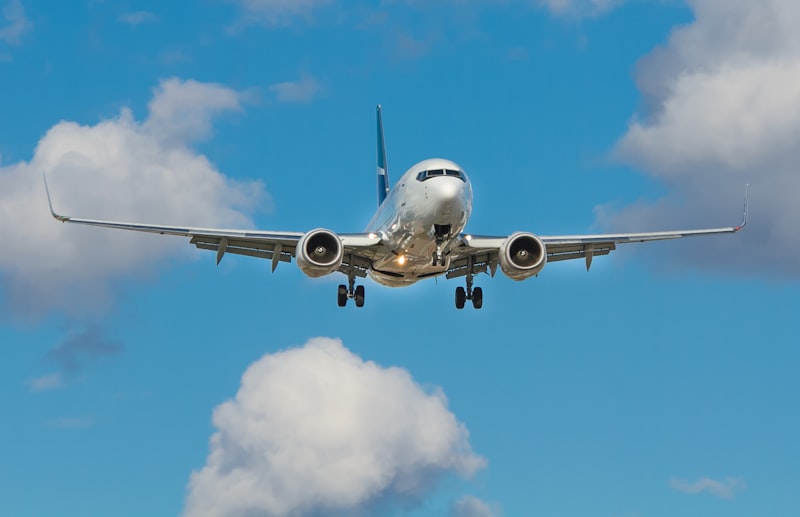
Turbulence is the most common cause of nervous flyer distress. Here’s what I wish I’d known:
- Turbulence cannot cause a plane to crash – modern aircraft are built to withstand extreme conditions
- Light turbulence feels like a car driving over a bumpy road
- Moderate turbulence is less common and feels like a boat on choppy water
- Severe turbulence is rare and pilots actively avoid it using weather radar
The best nervous flyer tips for turbulence: tighten your seatbelt, look at the calm flight attendants, and remind yourself that the pilots have experienced this hundreds of times.
Landing
Landing is another moment that can trigger anxiety, but understanding the process helps:
- About 30 minutes before landing, the descent begins (you may feel your ears pop)
- Chewing gum or yawning helps equalize ear pressure
- The landing gear deploying creates a clunking noise – perfectly normal
- You’ll hear flaps extending as the plane slows down
- The actual landing involves a thump as wheels touch down
- Brakes engage and engines reverse, slowing the plane rapidly
After Landing: What Comes Next
Your first time flying isn’t over once you land! Here are airport tips for beginners for the arrival process:
Deplaning
Once the plane reaches the gate and the seatbelt sign turns off, you can stand and gather your belongings. Deplaning happens row by row from front to back – don’t try to rush ahead as it creates bottlenecks.
Baggage Claim
If you checked luggage, follow signs to baggage claim. Screens display which carousel your flight’s bags will appear on. It typically takes 15-30 minutes for bags to arrive. Pro tip: Add a distinctive ribbon or tag to your luggage so you can spot it easily.
Customs and Immigration (International Flights)
For international arrivals, you’ll need to clear customs. Have your passport and any required declaration forms ready. Lines can be long, but they move steadily.
Additional First Time Flying Tips From Experienced Travelers
After years of flying and countless conversations with fellow travelers, I’ve gathered these additional first time flying tips:
- Wear comfortable clothing – Layers are ideal as cabin temperatures vary
- Stay hydrated – Airplane air is very dry; drink water throughout the flight
- Avoid alcohol – It increases dehydration and can worsen anxiety
- Set your watch to destination time – Helps with adjusting to time zones
- Stretch during long flights – Walk the aisle periodically to prevent stiffness
- Download your airline’s app – Real-time updates and digital boarding passes
- Bring your own snacks – Airport and airplane food options are limited and expensive
Resources for Nervous Flyers
If you need additional support learning how to fly without anxiety, these resources can help:
- Fear of Flying School – Comprehensive courses for overcoming flight anxiety
- SOAR Program – Created by a licensed therapist and airline captain
- Calm or Headspace apps – Offer specific flying meditation programs
- Your doctor – Can discuss medication options for severe anxiety
Frequently Asked Questions
What if I need help at the airport?
Every airport has information desks with staff ready to assist. Most airlines also offer assistance for first-time flyers – just ask at the check-in counter.
Can I bring food through security?
Yes! Solid food items are allowed through security. Just remember that liquids and spreads over 3.4 oz must be checked.
What if I miss my flight?
Contact your airline immediately. Most will rebook you on the next available flight, though fees may apply. This is why arriving early is among the most important first time flying tips.
Is it normal to feel scared?
Absolutely. Studies show that about 25% of people experience some level of flight anxiety. You’re not alone, and it’s completely manageable with the right nervous flyer tips.
What happens if there’s a medical emergency?
Flight crews are trained in first aid, and planes carry medical equipment. Pilots can divert to the nearest airport if necessary – you’re never truly far from help.
Final Thoughts: You’ve Got This!
Your first time flying is a milestone moment. Yes, it might feel scary now, but countless first-time flyers before you have conquered their fears and gone on to love air travel. These first time flying tips are your toolkit for success.
Remember: preparation reduces anxiety, knowledge is power, and millions of people fly safely every single day. The hardest part is taking that first step – literally walking onto the plane. Once you do it, you’ll wonder why you were ever worried.
I’ll never forget the moment my first flight touched down and I realized I had done it. The sense of accomplishment was incredible. Whether you’re flying for work, vacation, or to see loved ones, that destination awaits. The sky isn’t the limit – it’s just the beginning.
Take a deep breath, review these airport tips for beginners one more time, and get ready for an adventure. Safe travels, and welcome to the wonderful world of flying!
About the Author